
The Community-Driven Marketing Journey: How to avoid missing potential customers and collaborations


👋 Hey, it’s Jaime. Welcome to my weekly newsletter where I share how thriving open source projects grow their communities.
Subscribe to get access to these and all future posts.
In today’s article I’ll cover a problem I see most open source and community projects missing: Designing a marketing and community journey that attracts clients and turns passive users into active participants that make the project awesome.
So we’ll cover:
The 90-10-1 Rule
Attracting Users And Customers
Turning Your Community Into Collaborators
Action Tip (and a nice summary graph)
This shouldn’t be read as one-size-fits-all advice. Each step here needs to be tailored to your unique project, and some steps might be mixed together or skipped altogether. Hopefully it will help you and your project visualise the crucial steps that you might be missing or could do better.
Read time: 16-ish minutes
When we create an open source project, a community, or both, there are a couple of conflicts.
The first one is that, if we’re building an open source business, how do people who don’t know us become clients?
And the second one is, if we’re building a community, how do we help those willing to participate?
To solve those conflicts, you’ll need well-constructed customer and community funnels. These are fairly well known, but I’ve never seen them put in context together.
So after analysing dozens of successful open source businesses that have generated millions of euros in revenues and gathered thousands of community contributors, here’s a model to help you design your own funnel.
I hope it will help you and your project and visualise the crucial steps that you might be missing or could do better.
But first, let’s zoom out and see what’s different in a community-driven project vs. more traditional businesses:
The 90-10-1 Rule
“Normal” businesses use traditional marketing funnels to attract customers.
But, for most open source projects, we not only still have to catch up to improving our marketing funnels to attract paid and free users, but we also need to become better at building community funnels that will turn some of these pure consumers into contributors that will make the project better than proprietary solutions.
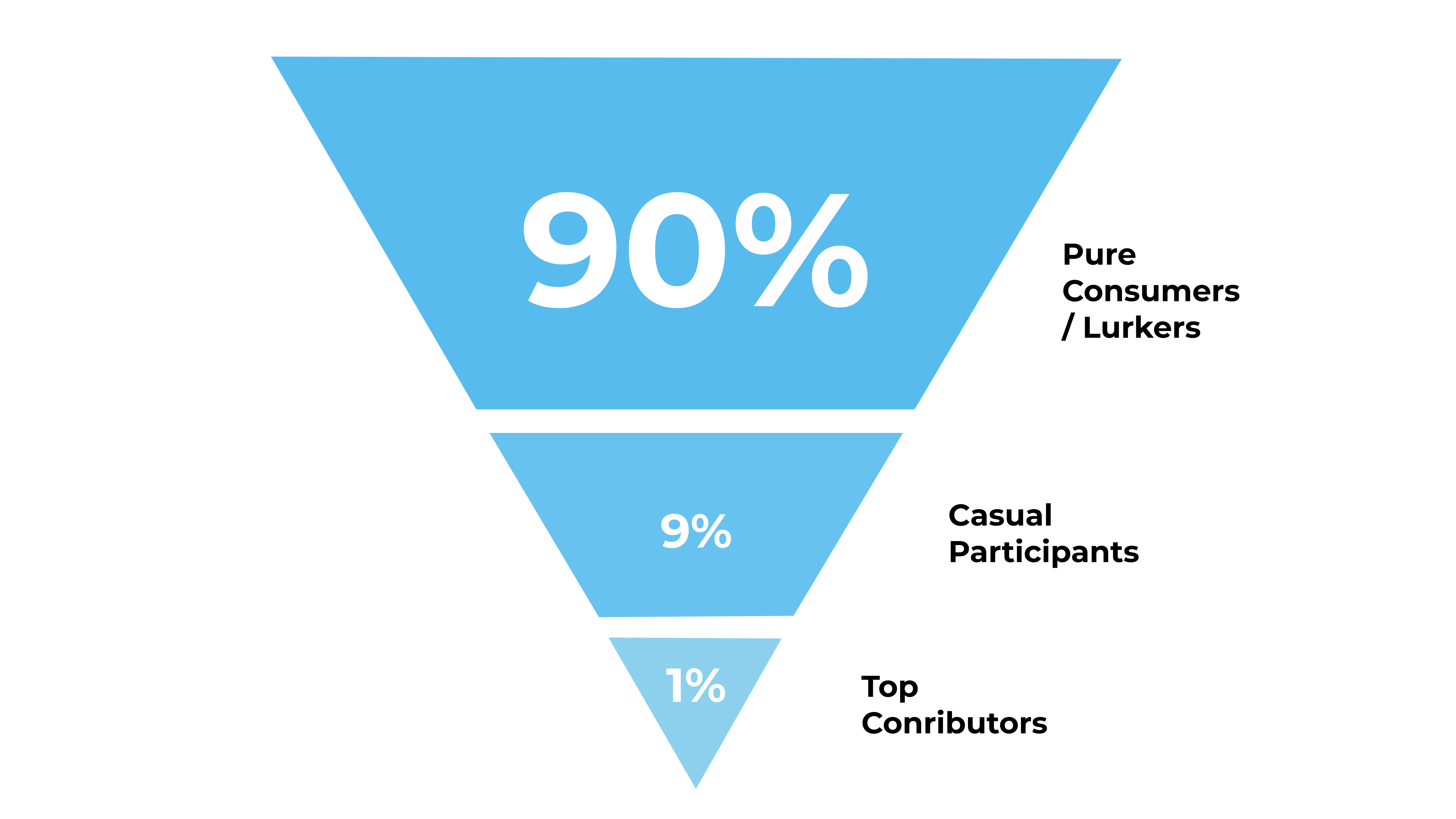
In “Creators, Synthesizers, and Consumers,” Bradley Horowitz, described the 1 percent of users who create vs. everyone else:
90% of people just observe ("lurkers").
9% of the people casually participate.
1% of the people create most of the content.
This is often called the “90-10-1” rule, and it’s no surprise that the 1 percent of highly engaged users is extremely precious.
In a project like Wikipedia, there are:
Hundreds of millions of users per month.
About 100,000 active contributors.
And an even smaller group of 4,000 writers who make more than 100+ edits in a month.
This means Wikipedia’s active contributors make up only 0.02% of its users, but they create and edit millions of articles.
So as you can see, at least 90% of people are not interested in contributing to an open project. They’re mainly here to use it. Either they don’t have the skills to contribute, are already busy contributing to other projects, or simply don’t have the time or the interest. And that’s ok. For them, a classic marketing funnel is enough.
But it can be crucial to have this 90% of consumers before we move on to creating our community to attract the 1 to 10% who will contribute. An existing audience can become a great motivator and make it meaningful for contributors to improve your open source project.
The good news is you don’t need so “many” contributors. But depending on what your main goals and challenges are, you still need to create a system for people to find ways to contribute to the project.
So there are two funnels you need to create: one to attract your users and another to turn some of those users into a community. And sometimes your users will skip steps or jump straight to the end, but it’s useful to know they exist.
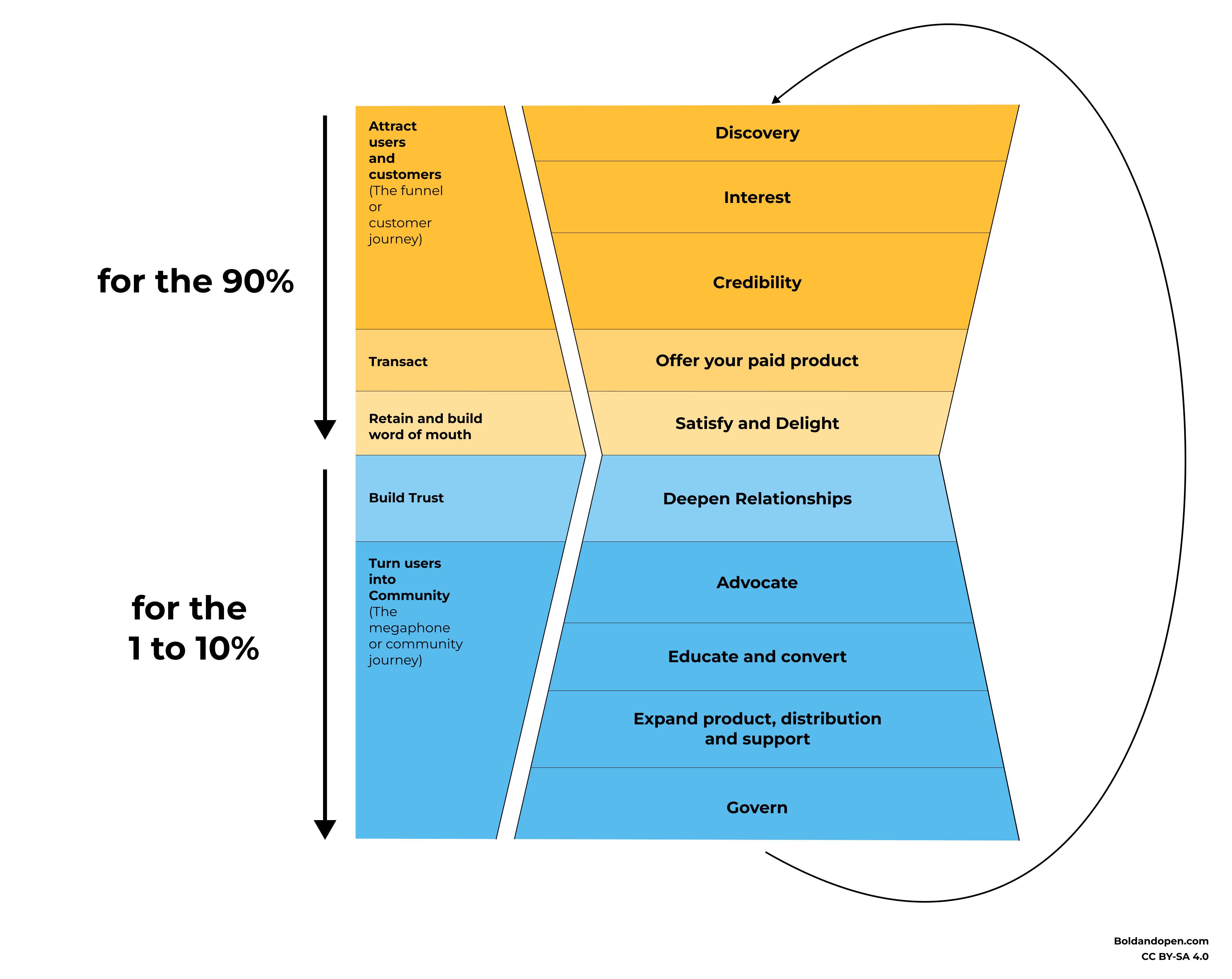
But how do you design these funnels?
Let’s break down each stage of these journeys.
1. Attracting Users and Customers
If you’re already familiar with marketing funnels, you might want to jump to the next section on the community funnel.
Otherwise, let’s go:
1st Discovery stage: Engaging the problem unaware
To build a successful customer journey, first you need people to discover what you do.
And most of the time, people are not even aware there is a problem, so they won’t look for your solution.
So the first step is to make them aware by creating content that highlights the issues they may be blind to.
This can make up 50% of your communication on social media, where people are already hanging out, or whatever channel you choose (PR, conferences, guest blogging, other platforms, etc.), where you’re attracting new people to your ecosystem.
The best way to talk to these potential members can be through daily social media content or by giving a talk at a local or national event.
Start with basic education and move on to compelling arguments to make them aware of the potential problem.
And don’t sell anything at this stage. If you can do this successfully, you open up hundreds or thousands of potential new customers.
For example, when Unsplash started, before becoming the huge platform it is today, they went to Hacker News to share their free photos.

Or when Adafruit started, its founder, Limor Fried, posted DIY tutorials of her electronics’ projects online, and a crowd of viewers started asking her to sell them pre-assembled kits to put into practice what she taught.
List the problems you solve and people are mostly unaware of, and consider what content you can create to highlight these issues.
2nd Discovery stage : Getting people who have the problem you solve to look for a solution
The second stage of our member’s journey continues once they are aware of the problem and start looking for a solution.
Now is the time to expand on the pain behind that problem.
This is an opportunity for your content to go deeper into why the problem they face is so big, so painful, so costly, and so personally devastating.
This can make up another 40% of the content you create. It should be dedicated to explaining why the problems you solve can be existential.
Our goal with problem-aware content is to get potential members to say, “Ok, there are a lot of ways to fix my problem. I need to check out some solutions.”
The best way to speak to these potential members is also through daily social media, events or conferences.
For example, Yancey Strickler posted on Medium his article about his theory on the Dark Forest on how an increasing feeling of danger online is moving people towards more private spaces. This article prepared the terrain to later sell a book on that topic made with a dozen writers.
Or when Martine Potsma, a journalist and founder of the Repair Café, wrote a press release and sent it to the media to announce her first collaborative workshop to invite people to repair their broken devices.
At this step, create content expanding on the problems your content pointed at. What are the risks or the missed opportunities of ignoring the problem?
Interest: Making people aware of your solution
Now your prospects are ready to start looking for a solution.
This is the opportunity to use longer-form content to show people that we understand their problems and how to solve them.
But it’s still too early to push for your solution since you haven’t yet built any trust. It’s time to be a helpful guide and share your open source idea and your documentation to showcase your expertise and credibility.
A word of caution though. Don’t give away your whole process too early, or you’ll release all the tension you’re building up for people to take action on the solution.
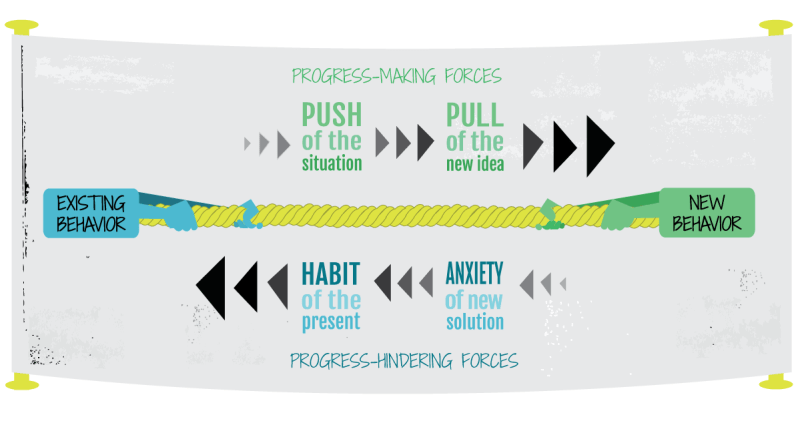
Most potential users have to be struck out of inertia, or its path at least, by a force stronger than their existing habits. And for that, it’s important to create enough tension to make them want to go deeper and try something else.
So instead of giving everything away, even if you’re going to share your solution as open source, solve a narrow problem first that makes them want to go deeper.
The goal here is for the potential members’ to say, “These people just solved this small problem for me. But now I need to solve this bigger problem. I’m going to go back and look at their other solutions.”
Tutorials, getting started guides, lead magnets, webinars, newsletters, YouTube videos, and podcast appearances are all valuable tools you can use to showcase your competency.
Once someone has come this far, they probably want more of what you create. If you can get them to subscribe to your channels, you also become independent of the whims of social media platforms and their algorithms.
Getting people to subscribe to one of your channels gives you the necessary room to show your expertise regularly.
Share your credibility: Show your work and how others picked you
Now the prospects know that you have a potential solution to their problem, and they wonder, “Why is your solution or service right for me?”
It’s time to tell them why they should try your solution.
As proprietary companies do, it’s time to share your unique selling proposition, your personal story and why you do what you do, benchmarks, awards, testimonials, or case studies that show you’ve helped people exactly like them solve the exact problem they have.
But you can also lean on your open source assets. Here is where your open source product, documentation and tutorials will shine.
Our goal at this stage is to create content that will get potential members to say, “I want this solution. I’m going to try it.”
Your open source code, data or design is a great way to show that you’re trustworthy.
But this is not always enough, as people will need to see others trust you. So you can also share once a week testimonials or DMs from happy members who are benefiting from your solution.
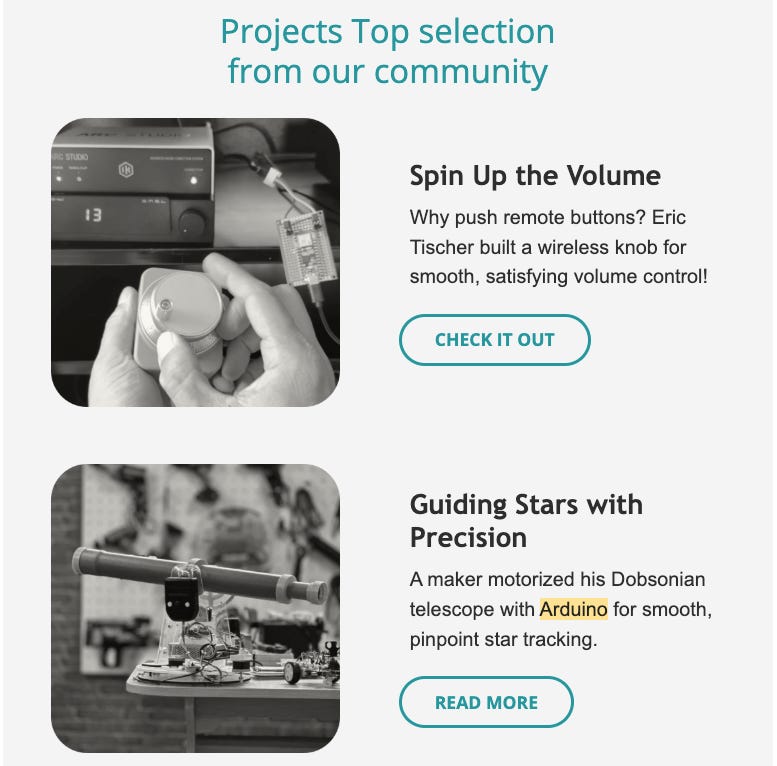
For example, Arduino showcases their community member’s tutorials or solutions in their weekly newsletter and social media.
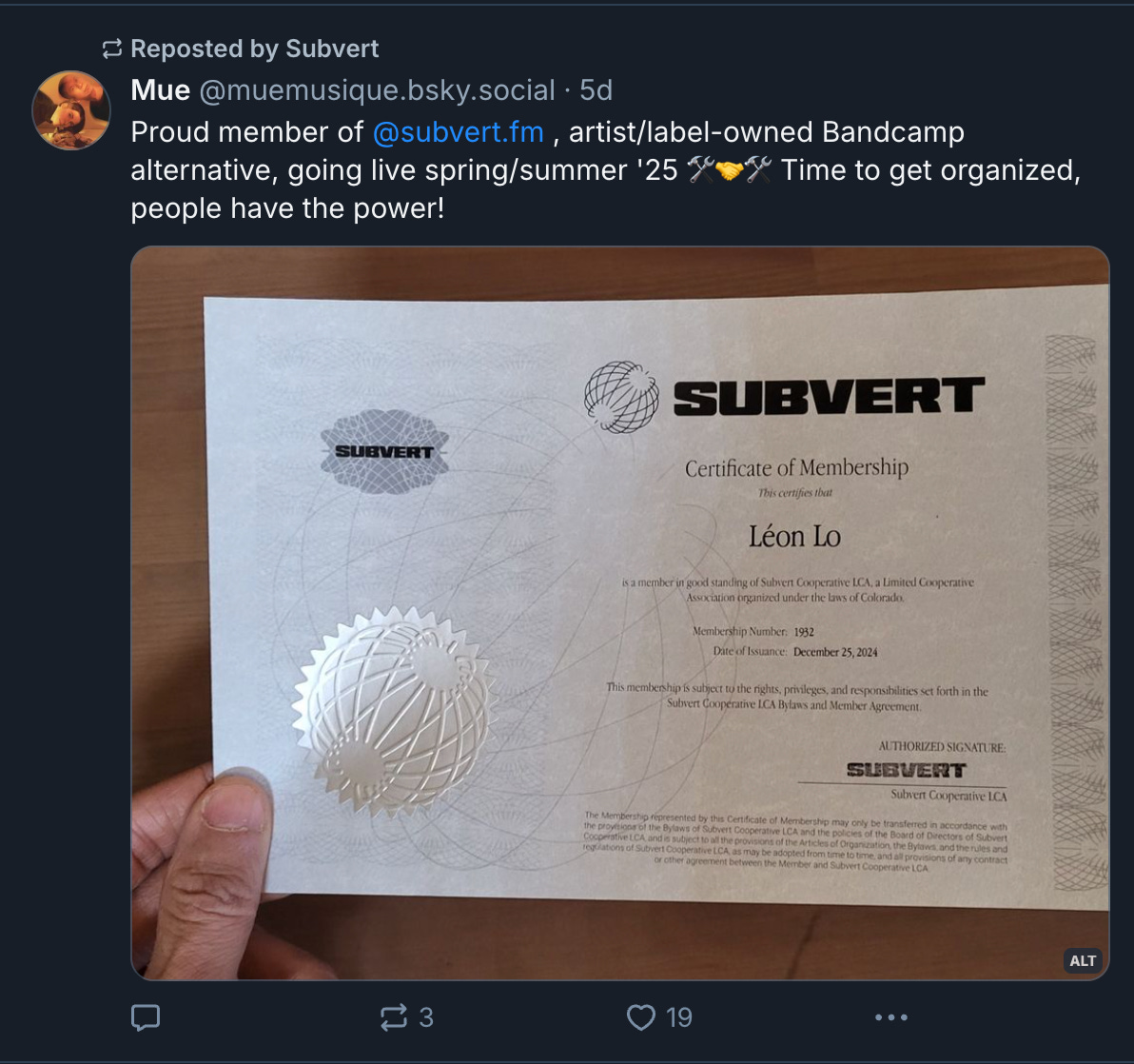
Subvert also shares on their social media channels the testimonials from their happy members:
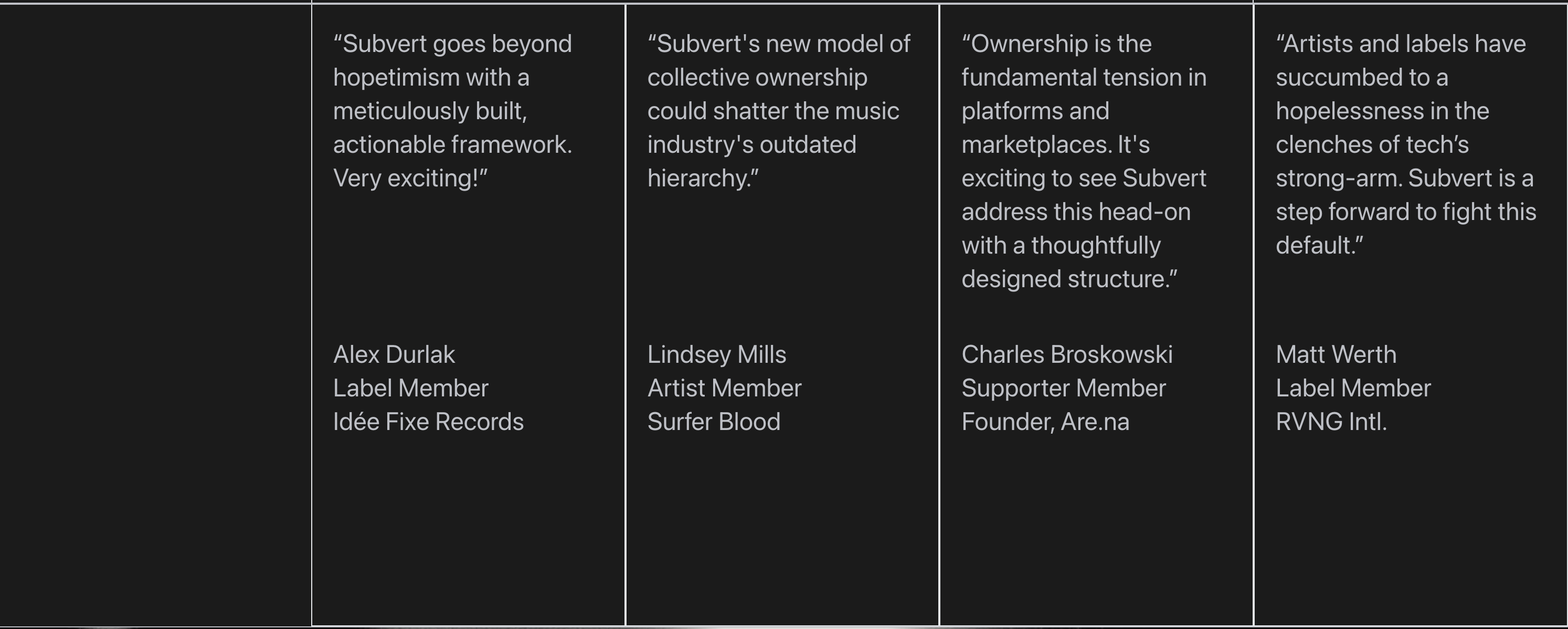
And they also gather their testimonials on their website:
But even after doing all of that, not everyone will try, buy or contribute to what you’re offering. Even if it’s open source.
So it’s time to be even more persuasive.
Offer: Create an offer people can’t refuse
Finally, your prospects are ready to try your solution, but most are still looking for an irresistible offer.
These can be free trials, discounts, bonuses, and limited-time offers that drive urgency and encourage immediate action.
They are ready to go for it, so make it easy for them. Create urgency through authentic special or expiring offers. But only add urgency when it makes sense and do it in a genuine way; do not add artificial scarcity and countdown timers for no reason because you just want to force people to take action.
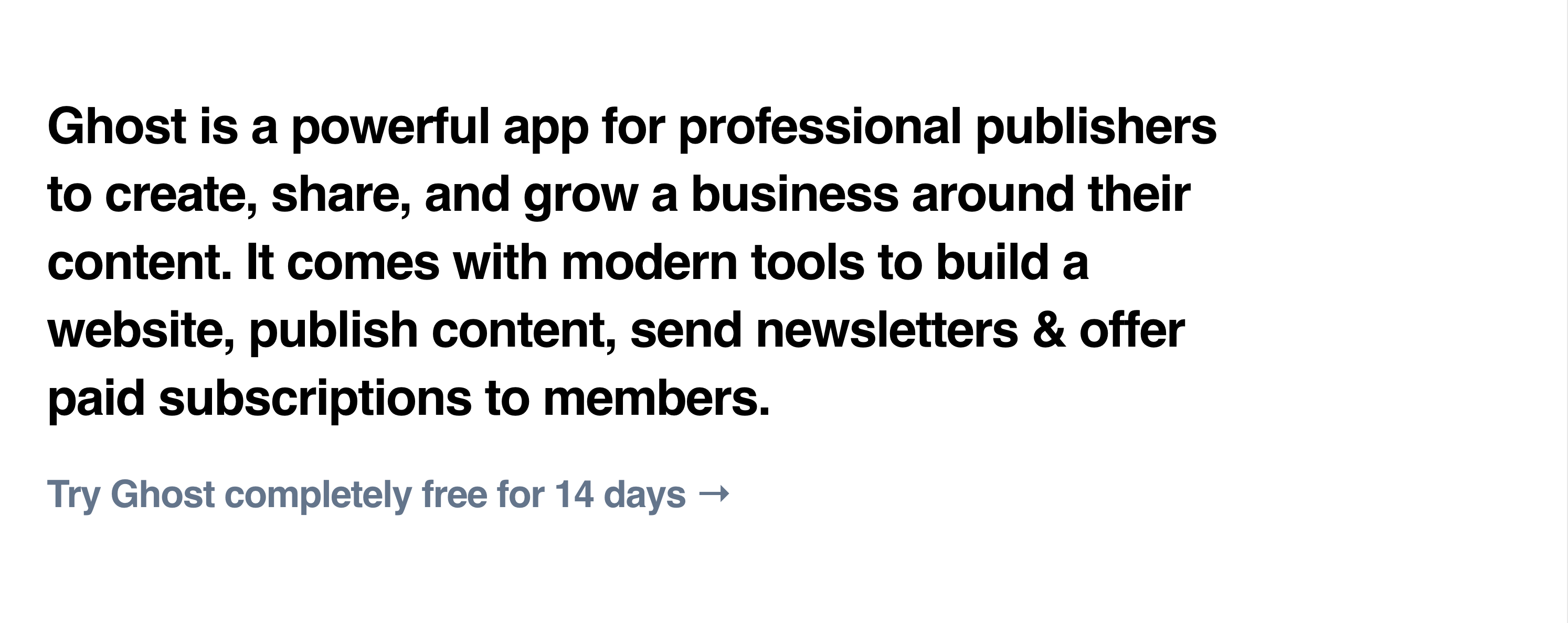
Ghost’s open source blog offers a free 14-day trial for it’s hosted solution:
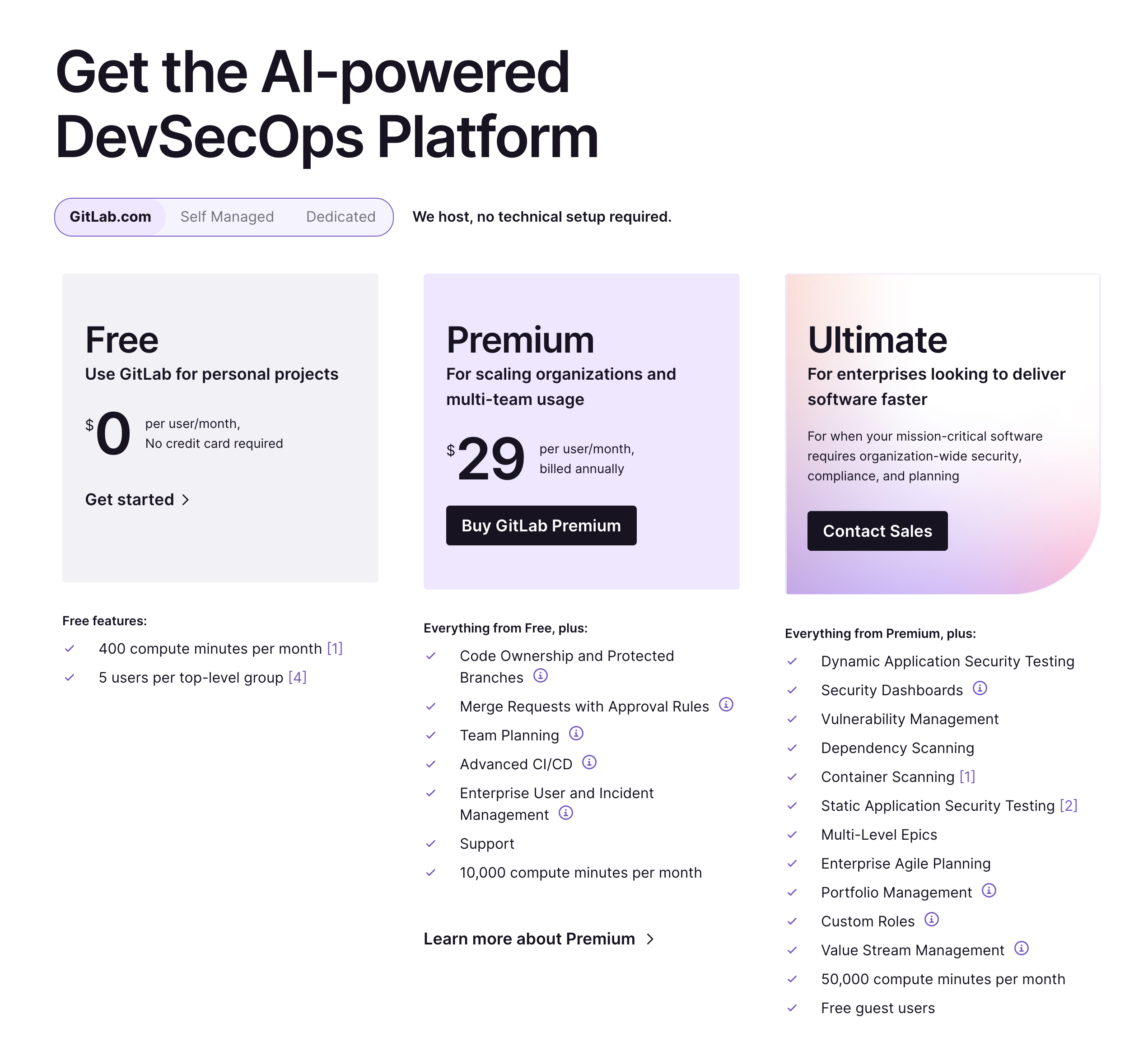
GitLab has a free tier for starting users to try their hosted version:
And if you’re selling a physical open source product, this can be the all-or-nothing urgency of a crowdfunding campaign, as the Cards Against Humanity game, Pilet’s Mini computer, or Flipper Zero did with their physical products to raise from $15,000 to over $4 million.
The goal with the most aware people is to say, “I’m ready to try today.”
Satisfy and Delight: Fulfill your product’s promises
Once people have bought your product, if you don’t want to lose them, you now have to satisfy the promises you made earlier. This is where trust begins.
The customer has tried the product or service and found it to be as advertised. This may be selling a good product, setting modest expectations, or both.
And if you can surprise your members with something more than baseline satisfaction, you’ll spark the kind of emotion that leads to loyalty and recommendations.
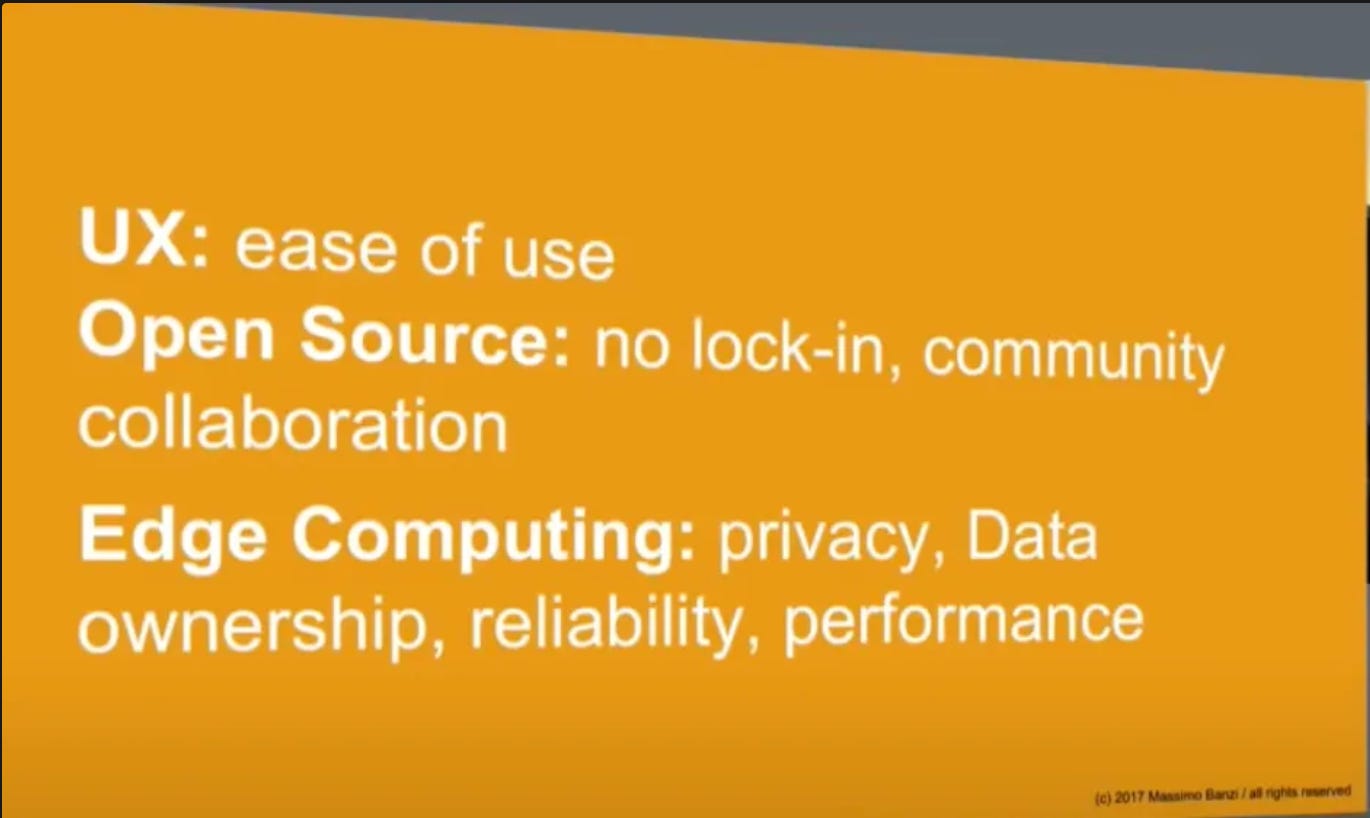
This can be done through a great user experience, network effects, thoughtful design that removes friction, or adding beauty or fun.
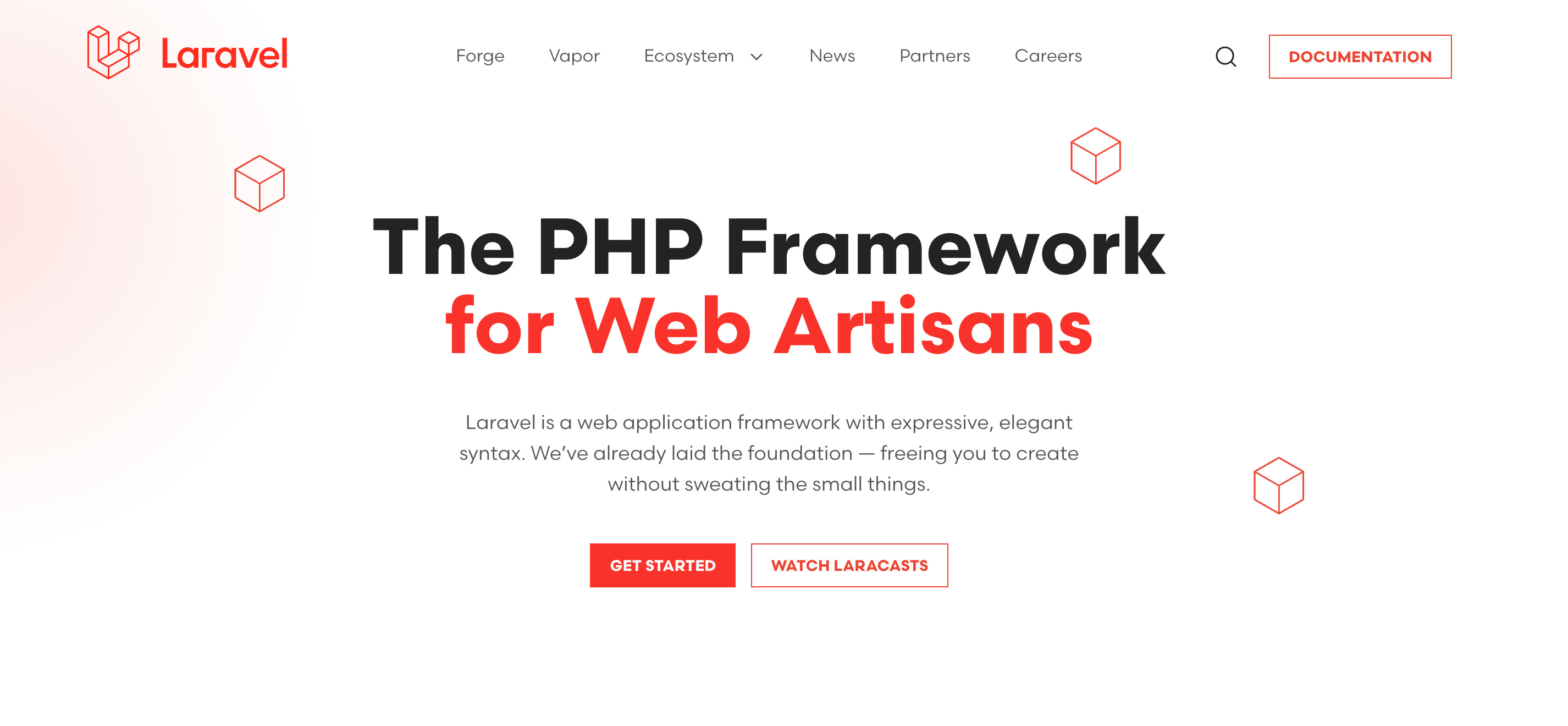
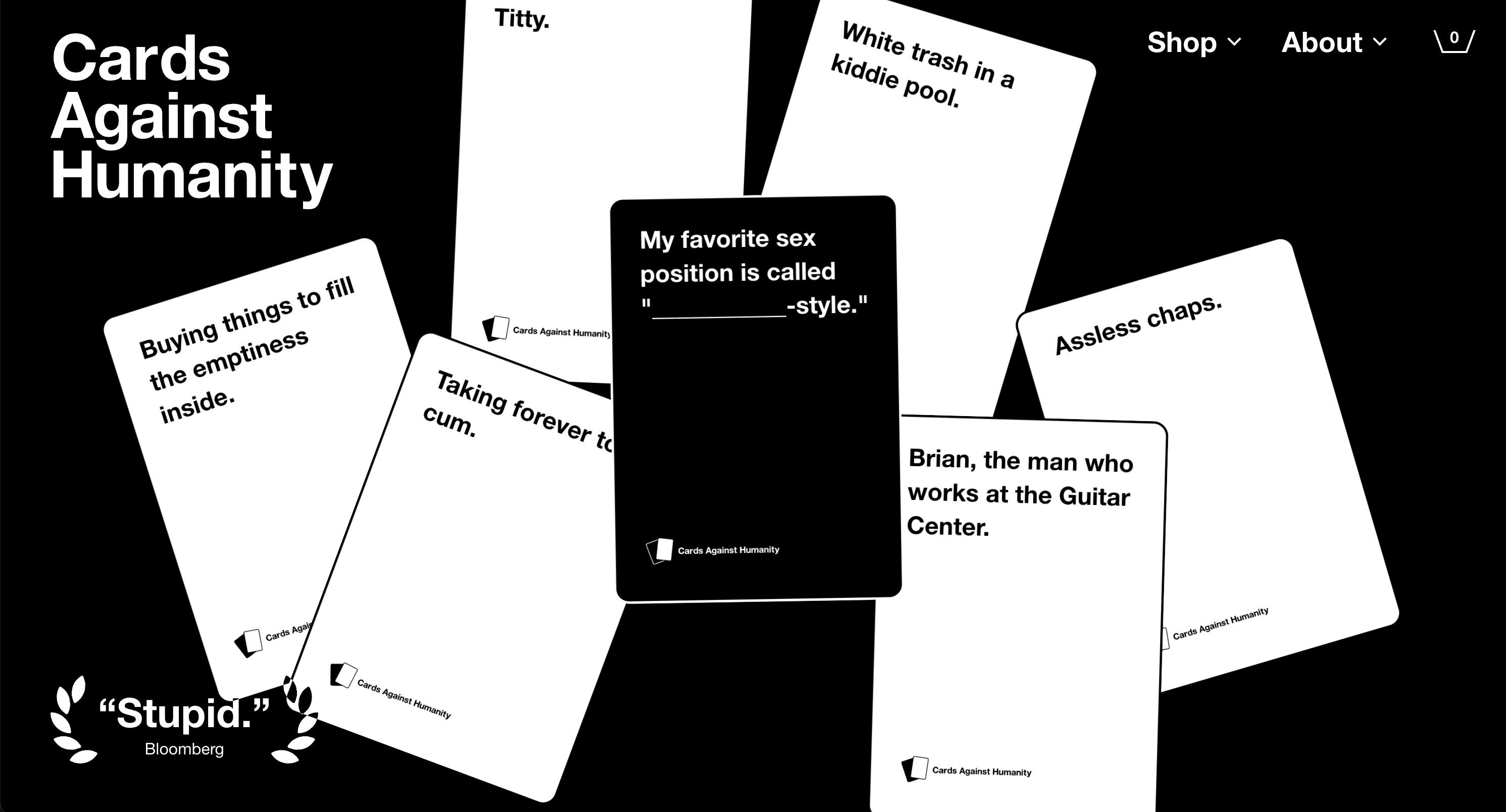
A few great examples of that are Arduino, Laravel or Cards Against Humanity.
Arduino’s goal is to make their products so simple and easy to understand that even kids can create with them.
Laravel mixes the friendly personality of the Slack brand and the minimalist and elegant character of Apple to make an appealing alternative to PHP.
And Cards Against Humanity adds their awkward humor to create fun moments for horrible people.
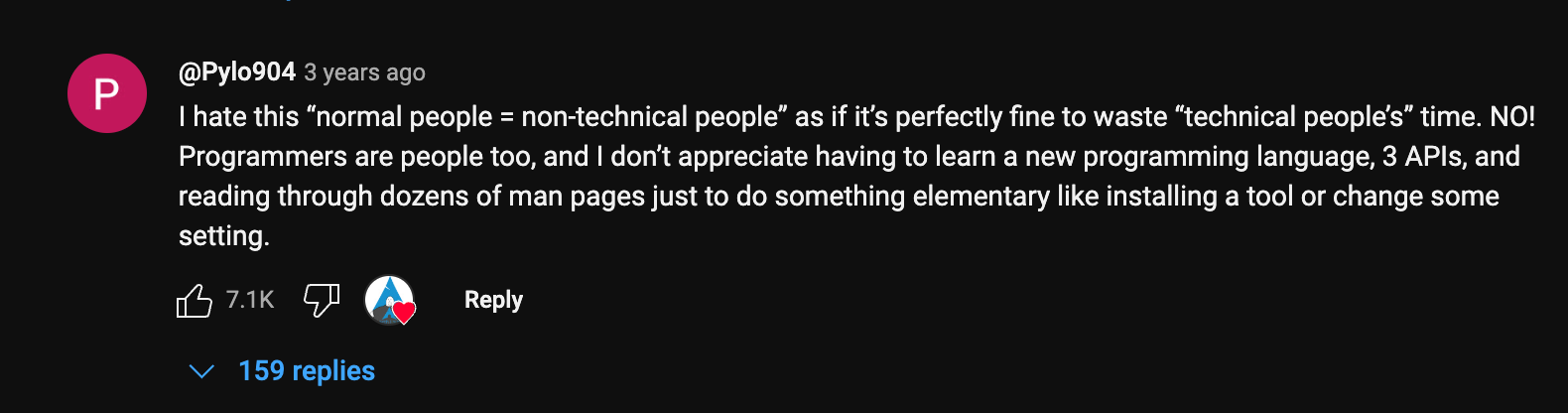
This is often one of the most neglected areas in open source projects, which also means it’s one with the most potential. Even if you’re targeting technical people, that doesn’t mean they’re not going to seek simplicity and delightful experiences.
As I was going through Linus Torvalds video on why desktop Linux sucks, I found one of the top comments raging about how programmers are not looking to go through a tedious experience just because they can:
Find what’s not working in your product and how you can make it more fun, more beautiful or simpler to use, and you’ll ensure you keep the customers you got. If you can do this, you’ll make it easy for them to spread your product through word of mouth.
Transparency: Deepen Relationships and keep your Community around
Once trust is built and your users are delighted, you can begin establishing true relationships.
And true relationships are about access. This is when you use transparency to give people access to a "behind-the-scenes" glimpse at how you think, act, work, etc.
It's much easier to invite someone into this phase of the funnel once they fully trust your expertise and knowledge.
In his deep dive on GitLab, Gareth Wilson shares how they have used transparency to keep growing its community despite commercialising an open source project:
In 2016, GitLab published a post outlining a commitment to transparency. In doing so, they began sharing everything from its company and product strategy to how its marketing and sales teams operate in its public handbook.
[…] These documents eschew many of the concerns that users have in making a long-term commitment to open-source software. By making such commitments, and then living up to them day in and day out for years, they’ve been able to build trust with its wider community. This has gone a long way in helping them successfully navigate the treacherous path of open-source monetization.
Transparency even helps them during the sales process. As Ashley says, “I go into sales conversations with customers, and they really love that. They love that transparency. It makes them feel more comfortable investing in us because they feel like they're part of the team”
You can share the process behind your product by sharing on social media some behind-the-scenes footage or drafts you’re creating of your designs; you can share your project’s roadmap and progress by building in public, or, like Penpot, you can directly share your decisions in support channels like forums or chats to get your community’s feedback.
It could also be monthly AMA's with the team or in-person meetups.
This way, the audience you’ve gathered can join to deepen their relationship with you and other motivated members focused on your common goals.
2. Turn your community into collaborators
If you do everything in the first funnel right, you should be able to have a sustainable open-source business.
But if you want to boost it even more, here’s where we move from the initial funnel, only powered by you and aimed at 90% of your passive users, to a new complementary community funnel targeted to the most engaged 10%.
Here’s where open source projects can truly shine and create a virtuous cycle (or flywheel in startup slang) by turning passive users into collaborators and advocates.
Once people have a deep relationship, you can invite those most engaged to contribute to the project and help the project raise awareness, convert new customers and community members, and expand what’s possible with your solution.
Advocacy: Enable your community to extend your reach
At this stage, you already have people who use and like what you do. Some of them might already be telling their friends or want to tell them.
If you’ve been successful in attracting an audience with your first funnel, you can now share your brand’s credibility and audience by inviting members to help you scale your efforts to raise awareness. You can invite them to create their own content or organise local events or ambassador programs in schools or at their companies.
And you can also support influencers using your solution and amplify what they can do on their own.
FreeCodeCamp has opened their discovery channels to their members so they can also write and edit articles on their blogging platform or create YouTube videos, attracting millions of new users to their project.
The Repair Café, by sharing its event organising playbook, has sparked a movement where over 2700 cities have organised events with their brand to help locals to repair their broken devices.
Education: Enable the community to inspire others
As more advocates make more and more people aware of your project, those who understand your project’s full potential can also help convert them from mere spectators into active users. For that, they can create their own tutorials, courses or meetups to teach others what they can do with it, which will convert them into new users, customers and community members.
This is an opportunity to invite the community to expand their contributions and what they can do with your solution by supporting your documentation of the solution and delivering education to the community. This can be by sharing their tutorials, courses, local or global meetups, online groups, templates and so on.
FreeCodeCamp or TEDx supports their communities’ local meetups or conferences.
Arduino created an education program supporting STEAM classes.
And you don’t need to host everything yourself; supporting those who already do it can also be incredibly beneficial. The 3D printing and CNC communities are growing exponentially thanks to a herd of YouTube creators showcasing the new things they do and how they do it, which is creating demand for Prusa3D’s and Mekanika’s machines.
Expansion: Empower your community to serve others
Once you’ve reached the point where the community is creating content, some community members will want to spread the project to their friends or clients and create their own adaptations. You can collaborate with them and multiply the value of what you can do on your own.
This can be collaborations like:
Reaching new regions by inviting them to translate your content.
Creating new use cases by submitting their code or data, their tutorials or add-ons.
Reaching new clients by certifying community member’s to help them be consultants who install or teach your solution.
Support more people by inviting members to moderate the forums and help each other.
FreeCodeCamp’s community has translated their courses into 9 languages and has hundreds of moderators helping support over 100K+ forum members.
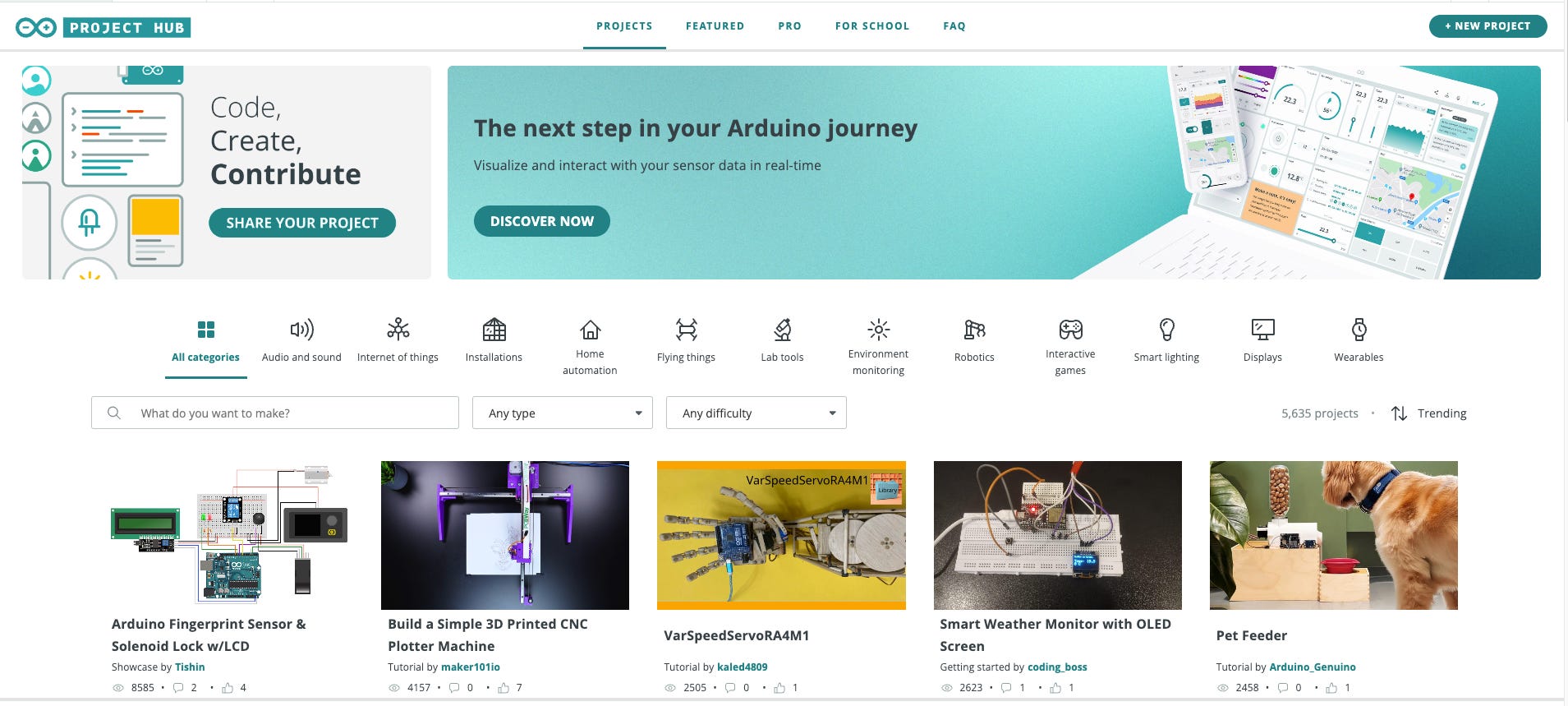
Arduino created a project hub space for their community to showcase over 5,000 new use cases and tutorials that attract over 600K people to their website.
The Climate Fresk offers training for people who find the game interesting to become facilitators and spread the workshop on their own. Today there are more than 80,000 facilitators reaching over two million people.
Wordpress has created a directory for their community to improve their product with 13.000+ themes and 59.000+ plugins.
Governance: Maintain satisfaction and delight
And this can be the final stage of a mature community, or the foundation on which a platform coop, like Subvert, is built. As more people use, contribute and depend on your solution, the more you should do to get a representative sample of your members in the governance of your project.
Instead of waiting to become the next platform to betray your community’s trust, the alternative involves proposing accountability agreements between founders, community and investors.
This might sound political, which it is. But it’s also crucial for your marketing, as it’s the best way to ensure that you satisfy and delight your users for the long term. If there are community oversight mechanisms, this creates checks and balances by design to prevent the enshittification of your product or service. Imagine what would have happened to Google, Facebook, Twitter, Amazon or Apple if the users had a representative voice in their boards. Their decline in service would probably not have been the same.
Wikipedia’s Board of Trustees has half of their seats reserved for members selected by their community, and they are in charge of things like strategic direction, resource allocation or CEO appointments. This has allowed Wikipedia to stay relevant and thriving for 24 years (as I write this in early 2025).
Subvert is a musician's collective creating a cooperatively owned alternative to Bandcamp, and before getting started, they already had governance mechanisms in place to allow the co-op members to vote on key governance aspects like electing the board of directors annually, taking major decisions regarding the platform, or submitting proposals and feedback.
How to put it in Practice
Understanding the steps people go through will help you find what you need to address in your open source content and business.
Are you neglecting those who are unaware of the problem you solve? If your “top of the funnel” is very narrow, you’ll have to find ways to create content to make people aware.
If you attract a lot of people but they’re not becoming users or customers, you might need to work on your credibility, offer and delight those who give your solution a try.
And if you have a lot of delighted customers but not many contributors, you might need to work on your transparency and ways for people to contribute to help you create more content and educate the ecosystem, but also get them involved in your governance to ensure the long-term satisfaction of people with your project.
Here are a few questions to get you going. Don’t try applying them all at once, but see which area you can improve or add to your project:
Discovery: Engaging the problem unaware
Who is your solution for? What problems do they have that you solve and they are unaware of?
How can you expand on the pain behind the problem? What are the costs and risks for your audience of doing nothing?
Where do people hang out? What content can you create, and where can you publish it?Interest: Making people aware of your solution
What small problems can you solve through guides and content to showcase your expertise and credibility? Direct them to your own channels to nurture the relationship with them.Credibility: Show your work and how others picked you
Collect and share testimonials, use cases of people using your solution, or community tutorials, benchmarks, unique selling proposition, personal stories, awards and so on…Offer: Create an offer people can’t refuse
How can you create urgency through legitimate special or expiring offers? These can be free trials, discounts, bonuses, and limited-time offers like a crowdfunding campaign that drive urgency and encourage immediate action.Satisfy and Delight: Fulfill your product’s promises
Make sure you deliver what you promised. Once you do that, how can you delight your users? Is it by removing friction, making it fun, beautiful, kind or anything else that your people would love?Transparency: Deepen Relationships and keep your Community around
Build a relationship with your delighted users by sharing access to a "behind-the-scenes" glimpse at how you think, acts, and work, etc.
Can you share your internal handbooks, roadmaps and build in public, or organise monthly AMA’s with the team or in-person meetups?Advocacy: Enable your community to extend your reach
How can you invite the community to scale your awareness efforts above? Are there already influencers spreading the word on their own that you can support?Education: Enable the community to inspire others
How can you involve the community in educating more people and converting them into users? Would they be ineterested in sharing tutorials, courses, templates, or organising meetups?Expansion: Empower your community to serve others
For those members in the community who want to spread the project to their friends or clients and create their own adaptations, how can you support their translations, their use cases or templates, certify their skills, or help them moderate the support channels?Governance: Maintain satisfaction and delight
To ensure that you satisfy and delight your users for the long term, how can you get a representative sample of your users and contributors to participate in your board?
Remember, creating paths for people can drive a huge pool of potential customers and contributors who don’t know they need you yet.
This shift can lead to turning your open source project from being the one-man or woman orchestra doing development, maintenance, support and marketing to finding ways to create a sustainable business model that supports you and where the community contributes to bring the project to its full potential, because it’s in their interest to do so.
Good luck, and contact me if I can help.
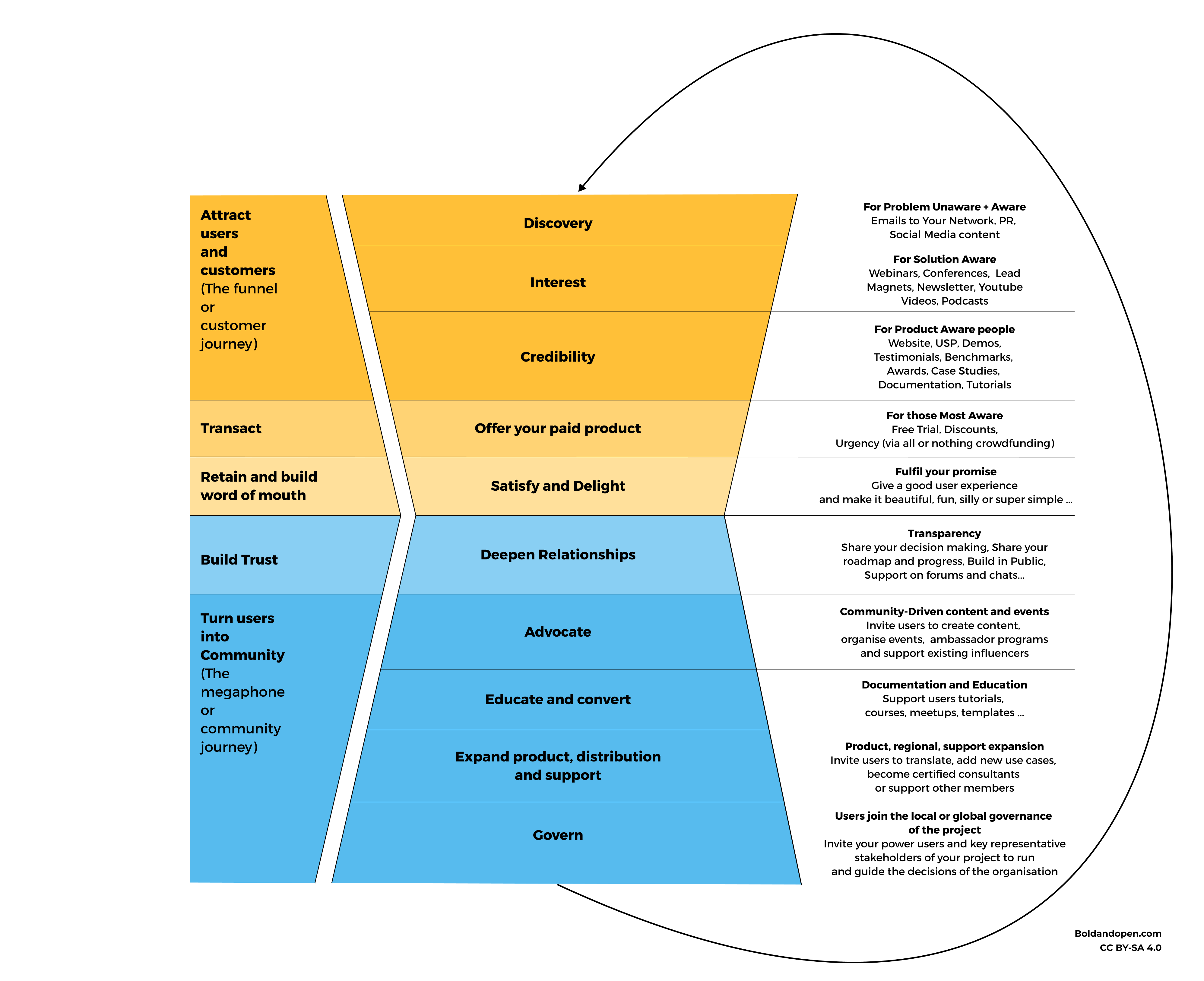
Here’s a visual summary of these steps:
Credit:
Thanks to Dries Van Ransbeeck and Manon Brulard from Welcome to my Garden for helping me mature this idea through our conversations :)
Related articles: